

Protect your baby by baby proofing your home
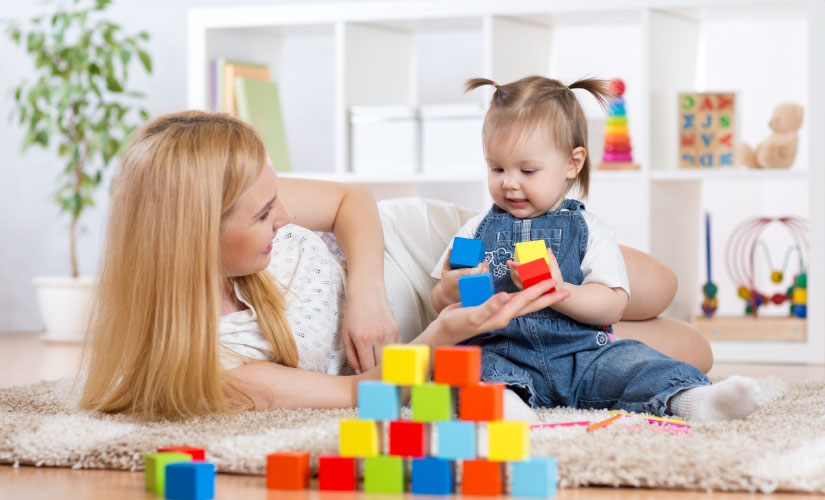
In the blink of an eye, your once helpless baby can get into all sorts of mischief as an active curious youngster! I simply cannot count the number of times both my little ones were nearly caught in danger and all it took was just a split second of looking away.
Babies generally start crawling as early as 6 months and their mobility continues to increase week after week. A good diaper choice like PETPET® Day Night Pants which is less bulky & can ease baby’s movement. Before you know it, he will start pulling himself up and begin climbing in hopes to reach for an item that caught his fancy. Even the most eagle-eyed of parents can’t keep up 24-hour surveillance all on their own. We’re humans after all!
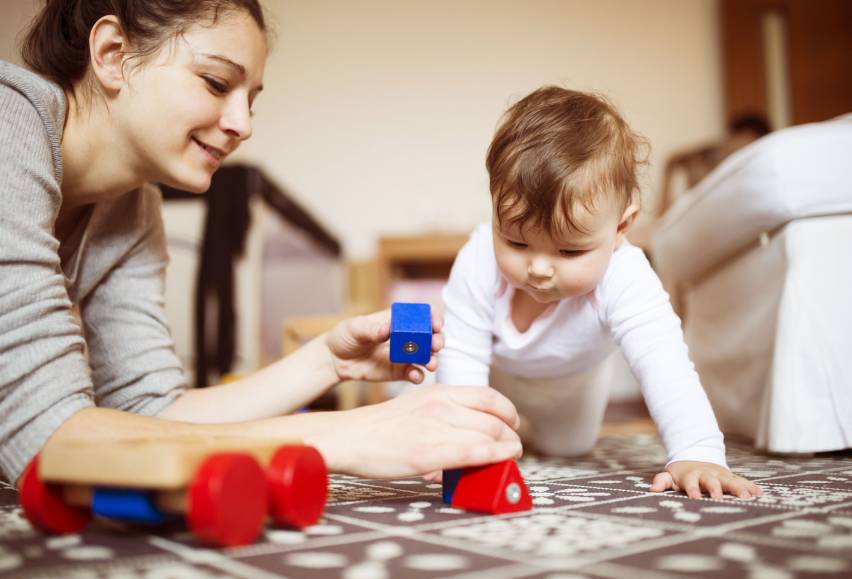
To ensure your baby is safe at home, here is a quick checklist to get you started on baby proofing :
- Get on all fours
My husband went down on his hands and knees to have a “baby’s eye view” of all the sharp corners or small objects that may be harmful. What may seem innocuous to adults from above could spell potential pain for babies at their viewpoint. - Cover plug sockets
I got the plug covers from the hardware store. To avoid those curious tiny fingers from poking in. - Keep wires, poisonous chemicals, breakable objects, drugs and sharp items up high or locked
Keep all the hazardous items out of reach of babies and children. You may also get cupboard latches to avoid them from opening drawers or cupboards. - Install stair gates
Place the gates at the top and bottom of the staircase. I’ve used 2 types and would highly recommend to get those without bottom bars to avoid tripping. - Keep all choking hazards away
The toilet paper role rule helps. Any items small enough to fit through the tube of a toilet paper roll should be kept out of reach of children. - Pad or cover sharp edges
Sharp corners of furniture must be padded. Especially those at a young child’s head height. - Place non-slip mats in the bathroom
Soapy hands can be dangerous. So, I use non-slip mats to keep both my baby and toddler safe from slipping. You could also use baby bath seats or baby bath support in the bathtub. - Mount tall units to a wall
Remember that viral video of the twin toddlers who had a chest drawer fall on one of them? Sends shivers down my spine! Any furniture that may topple over such as chest drawers, tall mirrors or lamps should be mounted to a wall or fixed firmly in place. - Limit accessibility at some areas
We do not allow our kids to be in ‘danger zones’ that include the kitchen, bathroom and storeroom. Keep doors closed when not in use and try to prevent babies or young children from entering on their own (you could use stairgates here too).
However, it is very important to note that the list above is non-exhaustive and should not replace adult supervision at all times. If you need time to make the necessary precautions, keep your baby somewhere safe such as their crib.
Update Your Password for Better Security
Your current password is weak and may put your account at risk. For your security, please update it to a stronger password. A strong password should include at least 8 characters, a mix of uppercase and lowercase letters, numbers, and special symbols.
Set a Stronger Password